Somewhere behind the question “what tarot card am I?” is a perfectly human wish: to be located. Star signs do it (and every sign has a tarot card of its own) (tarot and astrology are closer cousins than most people realise), personality tests do it, and half the internet runs on quizzes that promise to tell you which anything you are. Tarot’s version is older than the quizzes and better than most of them, and it doesn’t need twelve questions about your ideal weekend. It needs your date of birth and about thirty seconds of arithmetic.
They’re called birth cards: the pair (or, if you’re rare, the trio) of Major Arcana cards hiding in your birthday (stations on the Fool’s Journey you return to all your life), found by a simple bit of addition that readers have used for decades. The pair is the interesting part: two cards in permanent conversation, less “this is your personality” and more “this is the axis your questions tend to swing on.”
This post gives you the calculator (below, it does the maths for you), the by-hand method with worked examples, what every pair means in one honest line, and the right way to hold the whole idea, which is lightly. Your cards first; philosophy after.
The Birth Card Calculator
Enter your date of birth. The calculator adds day + month + year, reduces the total the traditional way, and hands you your card or cards, linked to their full meanings.
The Maths, By Hand (It’s Three Steps)
No mystery in the machine; here’s exactly what it did, the way readers have done it on napkins for decades:
- Add day + month + year as whole numbers. Born 15 March 1990? That’s 15 + 3 + 1990 = 2008.
- Add the digits of the total. 2 + 0 + 0 + 8 = 10. (If you get something over 22, add its digits again until you’re at 22 or below.)
- Reduce once more for your second card. 10 becomes 1 + 0 = 1. Your pair: Wheel of Fortune (10) and the Magician (1).
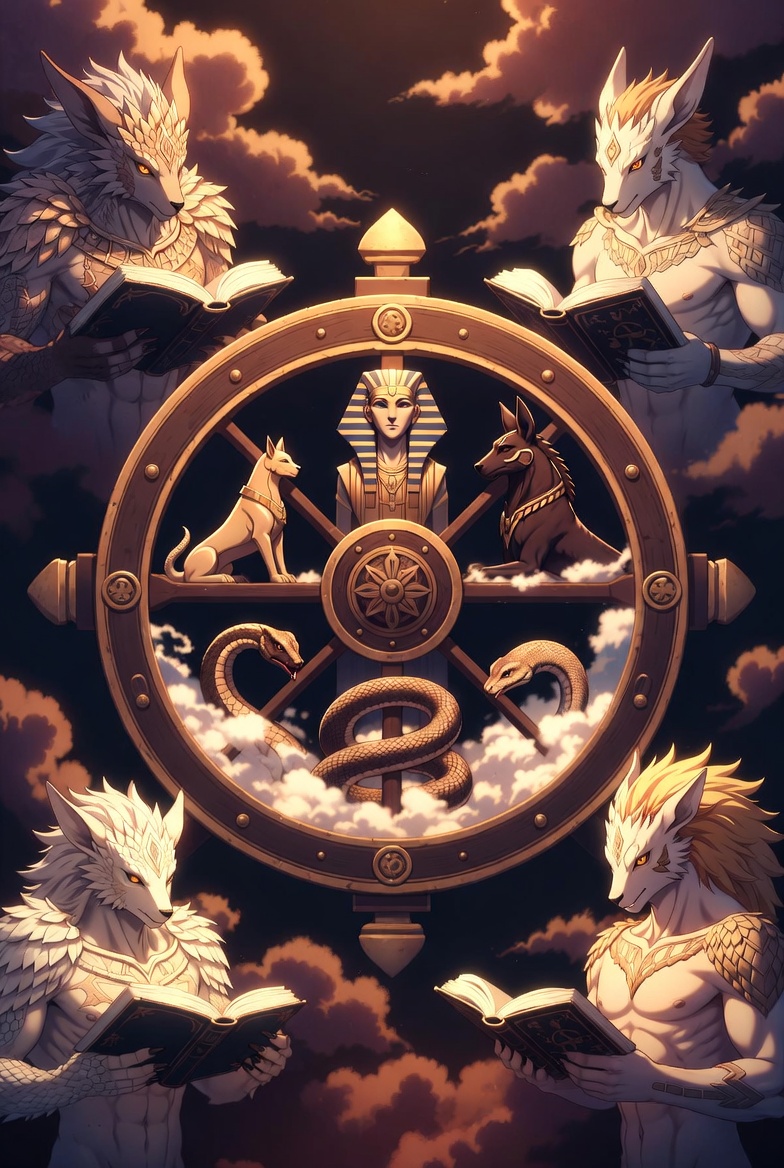
Everyone ends up with a pair, and there are two routes in. Land on 10 through 22 and reduce for your partner card, as above. Land directly on a single digit (a total of 2015, say, reduces straight to 8) and the pairing runs the other way: your card is joined by the two-digit Major that reduces to it, so an 8 is joined by 17, giving the Star and Strength. Same axis, entered from the other end. Two special cases finish the rules: a sum of exactly 19 makes you one of the rare triples (19 reduces to 10, which reduces to 1: Sun, Wheel AND Magician), and a sum of 22 counts as the Fool (tarot’s zero wears 22 in this system), pairing the deck’s freest spirit with the Emperor, its great structuralist. Somebody in the numerology department has a sense of humour.
What a Birth Card Pair Actually Means
Here’s the framing that makes birth cards worth having, and it isn’t “this is your personality.” Your pair is better read as an axis: two poles of one lifelong theme, with your actual life swinging between them. The Wheel-Magician person lives on the axis of what fate deals versus what will makes. The Justice-High Priestess person lives between what can be proven and what is simply known. You don’t graduate from your axis; you just get better at walking it.
Find yours below, one honest line each. (The reduction system behind these pairs, the nine roots running through the whole Major Arcana, now has its own small reference.)
- Wheel of Fortune + Magician (10/1): what happens to you versus what you make happen; luck and will, forever negotiating.
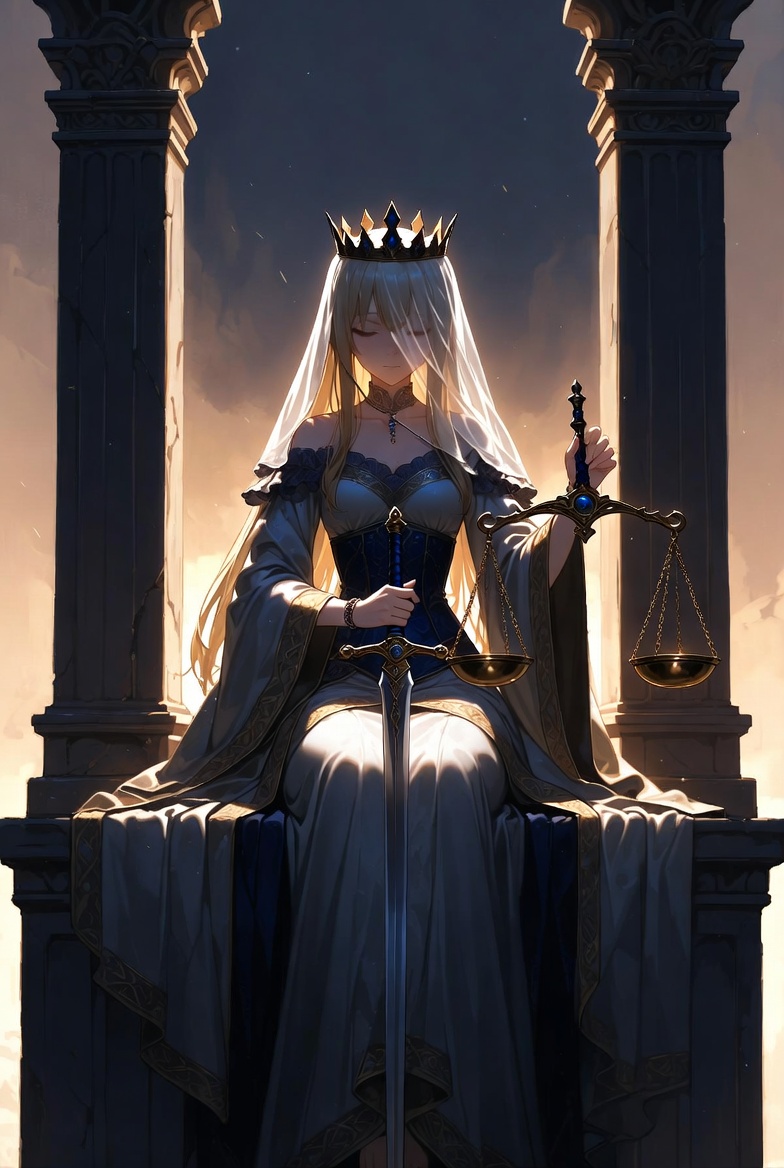
- Justice + High Priestess (11/2): the scales and the veil; what can be weighed versus what can only be sensed.
- Hanged Man + Empress (12/3): surrender and abundance; growth that comes precisely when you stop forcing it.
- Death + Emperor (13/4): endings and structure; the builder who must also be willing to demolish.
- Temperance + Hierophant (14/5): the blend and the tradition; finding your own measure inside inherited rules.
- Devil + Lovers (15/6): attachment and choice; the same bond as chain or as freely chosen, a pairing the deck itself built as a mirror.
- Tower + Chariot (16/7): collapse and drive; the one who builds momentum and must survive its interruptions.
- Star + Strength (17/8): hope and gentleness; quiet powers that look soft and outlast everything.
- Moon + Hermit (18/9): the half-lit path and the lantern; comfortable in the dark most people rush through.
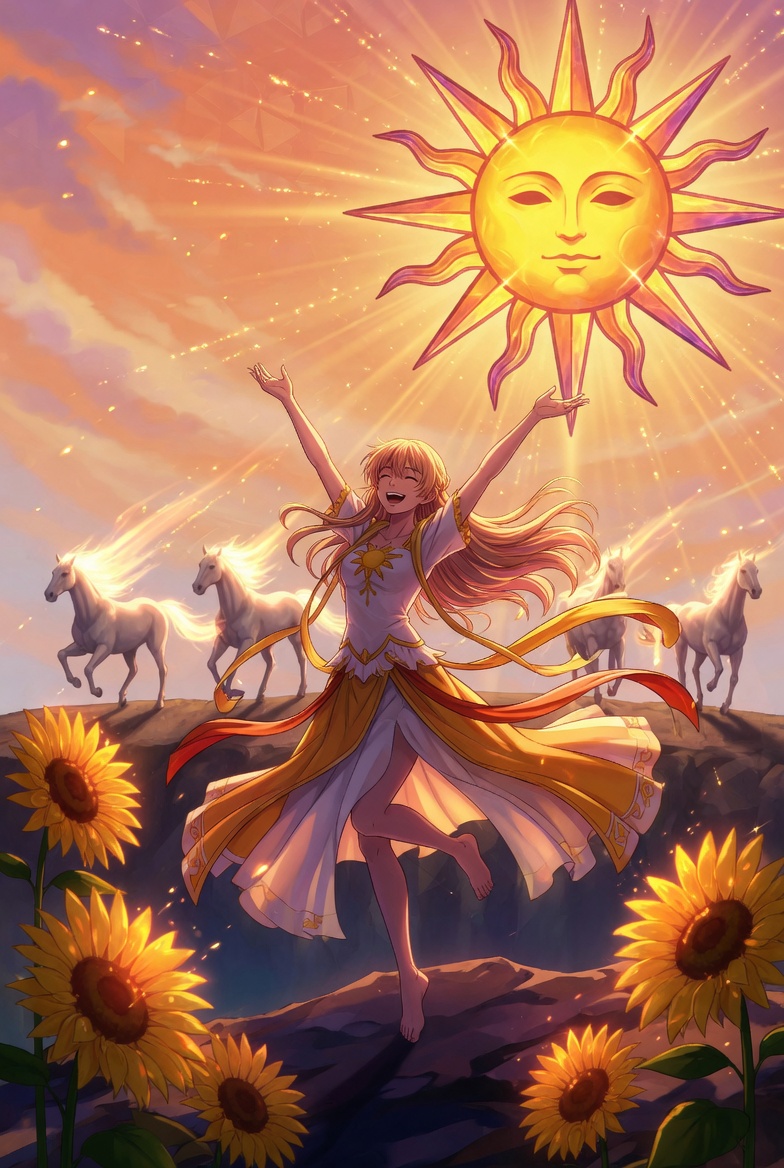
- Sun + Wheel + Magician (19/10/1): the rare triple; joy, fortune and will braided together, with the homework of not needing all three at once.
- Judgement + High Priestess (20/2): the call and the knowing; hearing what you’re being asked to become before you can explain it.
- World + Empress (21/3): completion and growth; the finisher who must keep planting, or the garden closes in on itself.
- Fool + Emperor (22/4): the leap and the plan; freedom that needs structure to mean anything, structure that needs the leap to stay alive.
Landed on a single digit? Your pair is in the list already: find the line whose second number is yours (an 8 lives on the Star + Strength axis, a 3 with the Hanged Man + Empress, and so on).
Hold It Lightly (The Honest Bit)
You knew this section was coming, because we write one into everything. Is there science behind birth cards? No. It’s numerology-flavoured play: a fixed, arbitrary-but-personal way of assigning you two archetypes, and we’d be a poor tarot site to dress it up as more. But notice what it shares with everything else that works around here: it hands you a specific mirror instead of a vague one. “Reflect on your life” goes nowhere; “where is the Wheel-versus-Magician tension in your life right now?” goes somewhere immediately, for the same reason any good card question works.
So use your pair the way you’d use a favourite question. When you’re stuck, ask which pole of your axis you’re over-leaning on. When a reading turns up one of your birth cards, give it an extra beat of attention; it tends to land differently. And if you read the pair meanings above and felt more seen by a different pair than your own: congratulations, you’ve discovered the trick of all such systems, and you’re allowed to borrow any axis that’s useful. The maths is a door, not a warrant.
Your Year Card (The One That Changes)
One more piece, and it’s the one that keeps this from being a one-time quiz: your birth cards never change, but your year card does. Same maths, one swap: use the current year instead of your birth year (day + month + this year, reduce the same way, taking the final single reduction as the card). That number names a theme card for your personal year, birthday to birthday: a Justice year, a Hermit year, a Tower year (breathe; it’s a better card than its reputation).
Whether the year delivers the theme or the theme shapes what you notice about the year, we leave gladly unresolved; either way it makes a genuinely good journal spine. Work out this year’s card, and on your next birthday, the new one. It’s the closest thing tarot has to a subscription, and it’s free. (And the birthday itself now has its own annual ritual, the Solar Return Draw: four cards for the year behind and ahead, the moving picture beside the birth cards’ portrait.)
The Bottom Line
“What tarot card am I?” has a real answer, and it takes thirty seconds: add your birthday, reduce, and meet your card or pair. Read the pair as an axis, not a diagnosis; let it sharpen your questions rather than settle your identity; check in with your year card when the candles change. And keep the whole thing at the weight it deserves, which is a favourite mirror, not a birth certificate.
The maths locates you. What you do on the axis is, as ever, entirely yours.
FAQ
How do I calculate my tarot birth card? Add your day, month and full birth year as whole numbers (15 + 3 + 1990 = 2008), then add the digits of the total (2+0+0+8 = 10), reducing again if you’re over 22. That number is your first birth card; if it’s 10 or above, reduce once more for its partner (10 becomes 1: Wheel of Fortune + Magician), and if it’s a single digit, its partner is the two-digit card that reduces to it (8 is joined by 17, the Star). The calculator above does it all for you.
What if my numbers add up to more than 22? Keep adding the digits until you land at 22 or below. A sum of 22 counts as the Fool (the deck’s zero, wearing 22 in this system) and pairs with the Emperor (2+2 = 4). Totals can’t reduce to anything beyond that, so everyone lands somewhere in the Major Arcana.
Can my tarot birth card change? No; it’s fixed by your date of birth, which is rather the point of it. What changes is your year card: run the same maths with the current year instead of your birth year and you get a theme card for your personal year, refreshed every birthday.
Can you end up with just one birth card? Not in the system we use (the common Tarot School convention): a single-digit landing is joined by the two-digit Major that reduces to it, so an 8 is paired with 17, the Star, and everyone has at least two cards. Some readers do use a stricter method where single digits stand alone; if you prefer your theme neat, that’s a legitimate variant, not a mistake.
What’s the rarest birth card result? The triple: a first reduction of exactly 19 gives Sun (19), Wheel of Fortune (10) and Magician (1), the only three-card chain the maths allows. If the calculator handed you that, you’re carrying joy, fortune and will in one hand, and the fine print is learning not to demand all three at once.
Is there any science behind tarot birth cards? None, and we’d rather say so plainly: it’s numerology-adjacent play. Its genuine value is the same as any good tarot practice: it hands you a specific, personal mirror to reflect with instead of a vague one, and specific mirrors produce better questions. Hold it lightly and it holds up fine.
Met your cards above? Pull a free online tarot reading →, no sign-up needed, and see whether either of them turns up when you’re asking a real question. They have a habit of it.
forum Comments
Loading comments…