Here’s a conversation that happens at a lot of kitchen tables. One person has started pulling a card in the mornings. Somewhat to their own surprise, they find it genuinely helpful. The other person loves them, worries slightly, and eventually says the quiet part: you know it’s just a deck of cards, right?
Both people in that conversation are usually arguing about the wrong thing. The believer feels pushed to defend energies and intuition. The skeptic feels obliged to explain cold reading and coincidence. And the really interesting question sits untouched in the middle of the table, with a hundred years of psychology behind it: why does a random image so reliably produce useful thinking?
Because it does. Ask anyone with a steady practice, including plenty of self-described skeptics, and you’ll hear the same report. I don’t believe the cards know anything. And somehow I finish a reading knowing more than I started with. That’s not a contradiction. That’s a mechanism, and it’s worth taking apart properly. No magic required. And, this may surprise you, nothing gets debunked either. If anything, the psychology makes the practice more impressive, not less.
First, the Future Question (The Offer Is Better Than Prediction)
Let’s deal with the future first, because it’s where the believer and the skeptic talk past each other hardest. Yes, the shuffle is random. This article won’t pretend the deck scripted your Tuesday. But watch what experienced readers actually do with the future, and you’ll see the “it’s just fortune-telling” framing misses the real work. When someone pulls a card and asks what’s coming, the useful answer is almost never a fixed event. It’s a direction. Where is this relationship heading if nothing changes? Which of the roads in front of me does this card light up? What would the version of next year I actually want look like?
That’s not crystal-ball stuff. That’s thinking about your future on purpose, and it’s some of the most useful thinking a person can do. A card gives the future a shape you can hold. Pull the Star over a career question, and you’re suddenly describing, in detail, the future you’d choose. Most people have never once done that out loud. Pull the Tower, and you find yourself checking which of your structures has a crack in it, before it matters. The card steadies your thinking the way a compass steadies a walk. Not by knowing the terrain, but by giving you something to steer by. Prediction would make you a spectator of your future. This makes you a builder of it. People who’ve loved the cards for decades have always known the difference.
And notice what the random shuffle actually rules out: only the deck knowing things. It says nothing about you knowing things. That’s where the whole mechanism lives. You walk into every reading carrying a huge amount of unsorted material. Half-noticed worries. Unspoken resentments. Decisions you’ve already made but haven’t admitted to yourself. Patterns you’re inside of, and so can’t see. The card doesn’t add anything to that pile. It gives the pile a way out.
Every technique below is a different door out of the same building. Psychology has spent a century building versions of these doors and giving them clinical names. Tarot happens to be a deck of seventy-eight of them that fits in a coat pocket.
Jung and Active Imagination: Talking to the Image
Start with the heavyweight. Carl Jung, one of the founders of modern psychology, spent years on a technique he called active imagination. You hold an image in your mind on purpose. You let it develop. You talk with it, and you treat what comes up as a real message from the parts of you that don’t speak in sentences. It sounds mystical. In Jung’s hands it was careful work, and versions of it survive in respected therapy today, from Gestalt chair work to imagery techniques.
The insight underneath it: much of what you know doesn’t live in words. It lives in feelings, associations and half-formed pictures. You can’t reach it by asking yourself direct questions, because direct questions only interview the part of you that already talks. To reach the rest, you need an image to project onto. Then you need to take your own reaction to that image seriously.
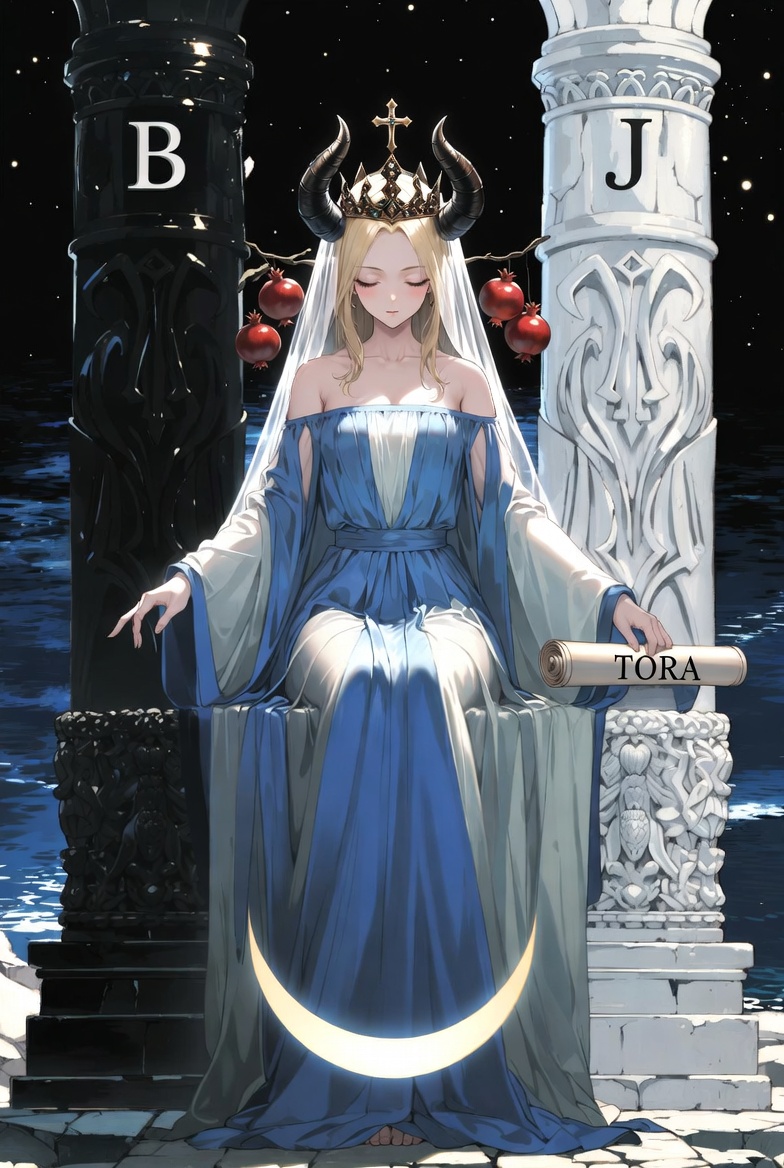
Now look at what a tarot reading actually is. You hold a question loosely in mind. You turn over an image: rich, strange, and vague on purpose. Something in it snags you. The figure’s turned back. The spilled cup. The dog at the cliff edge. And the reading, done honestly, is a structured conversation with that snag. Why this detail? What does it remind me of? What in my life looks like this? That’s active imagination with training wheels. The card supplies the image so you don’t have to conjure one. The tradition supplies the discipline of sitting with it instead of scrolling past. The High Priestess, the deck’s veiled keeper of things known but not yet said, is practically a portrait of what this technique goes fishing for. The deck’s own tagline for her: what you know without knowing why.
Getting the Problem Out of Your Head and Onto the Table

The second mechanism comes from narrative therapy, whose founders built a whole clinical method on one move: get the problem outside the person. Their motto sounds like a slogan until you feel it work: the person is not the problem, the problem is the problem. The moment a difficulty stops being a swirl inside your head, and becomes an object you can look at, walk around, and describe from the outside, your whole relationship to it changes. Therapists have clients name the problem, draw it, address it in an empty chair. The method is called externalizing, and this family of approaches is practised worldwide.
A card does it instantly and physically. Take the Two of Swords: a blindfolded figure, arms crossed, holding two heavy swords in perfect, exhausting balance. If you’ve been circling a decision for three weeks, that card doesn’t tell you anything new. It does something better. It takes the circling, which until now existed only as a knot in your chest, and lays it on the table as a picture. There’s the stalemate. There’s the self-imposed blindfold. There’s the effort it costs to hold both blades up. The deck’s tagline for the card twists the knife, kindly: the decision you are not making is still a decision.
Once it’s on the table, you can do things with it you couldn’t do while it was in your head. You can ask when it arrived. What it’s protecting you from. What it costs per week. Nobody needs to believe anything for that to work. They just need to notice that “my dilemma, as an object, at arm’s length” feels different from “my dilemma, as weather, from inside it.” Because it is different.
Your Bias, Aimed On Purpose
Here’s the part where skeptics think they have the killer argument. And where the argument quietly flips sides.
The classic objection: tarot “works” through confirmation bias. The card is vague. You connect it to whatever’s already on your mind. You walk away impressed by an accuracy you supplied yourself. This is, let’s be clear, completely true. It’s also not the gotcha it sounds like, because it assumes the goal is prediction. If tarot claimed to be a measuring tool, self-supplied meaning would be fatal. But tarot is a mirror. And for a mirror, self-supplied meaning is the entire point. The card’s job is to make you supply meaning, and then show you what you supplied.
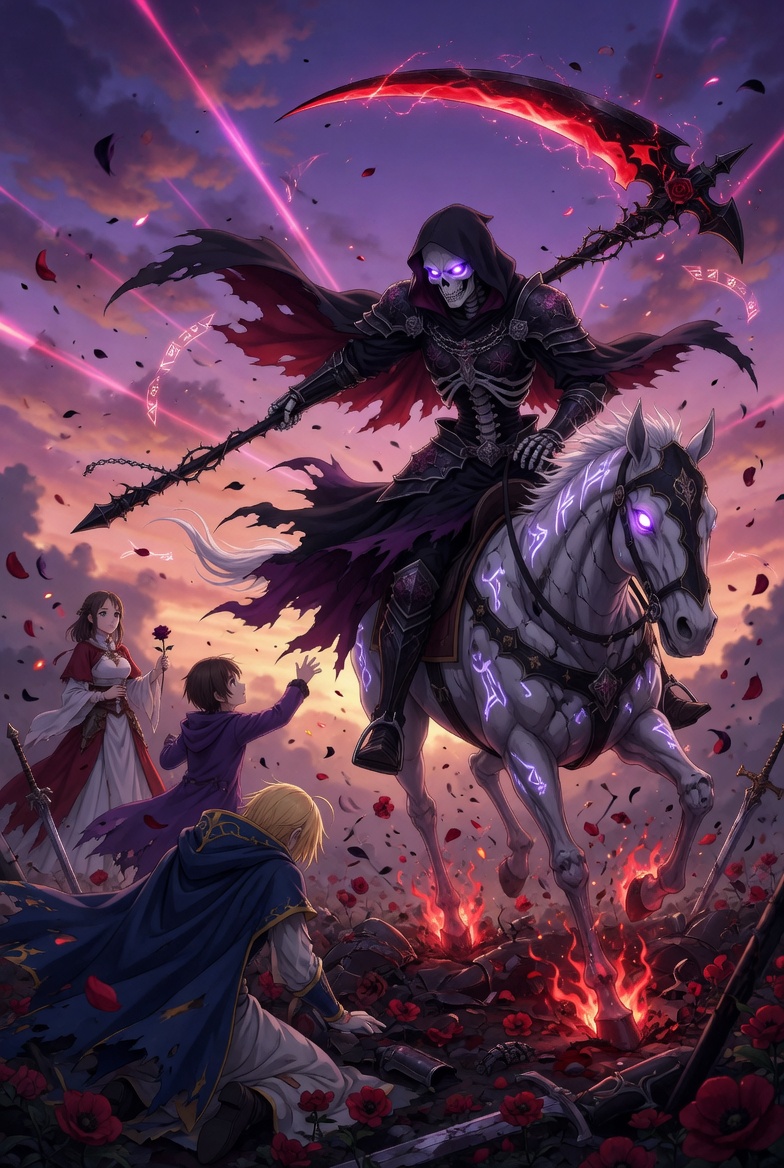
Think about what happens when you pull Death on an ordinary Tuesday. The card means endings, change, the clearing of the old. Vague, on purpose. So your mind does what minds do. It races through your life looking for the best match. And here’s what nobody notices while it’s happening: that search is the reading. Out of everything going on for you, the ending your mind serves up first is a direct readout of what’s actually pressing on you. The card was random. Your answer to the card never is.
Psychologists know this machinery well: what stands out to you, what you’ve been primed for, the way a word you just learned suddenly appears everywhere. Usually these biases run you. A reading is one of the few settings where you harness them. You point your pattern-matcher at your own life for five deliberate minutes, and then, crucially, you look at what it retrieved. The bias becomes a bucket lowered into your own well. What comes up was already down there. That’s why it feels so accurate. It’s you. (And if the accuracy question is the one that brought you here, we’ve answered it head-on, claim by claim.)
Archetypes: Why Seventy-Eight Pictures Cover Your Whole Life
One puzzle remains. If the cards are just projection screens, why these seventy-eight? Why does a deck designed centuries ago keep landing on modern lives with such uncanny fit?
Jung’s answer was archetypes: recurring figures and situations that humans have told stories about in every culture on record. The Mother. The Authority. The Trickster. The Ordeal. The Return. You can treat them as deep structures of the mind, as Jung did. Or simply as the recurring furniture of human storytelling, as a folklorist might. Either way, the practical point stands: a fairly small set of figures and plots covers a remarkable amount of human life. Screenwriters bet entire industries on this.
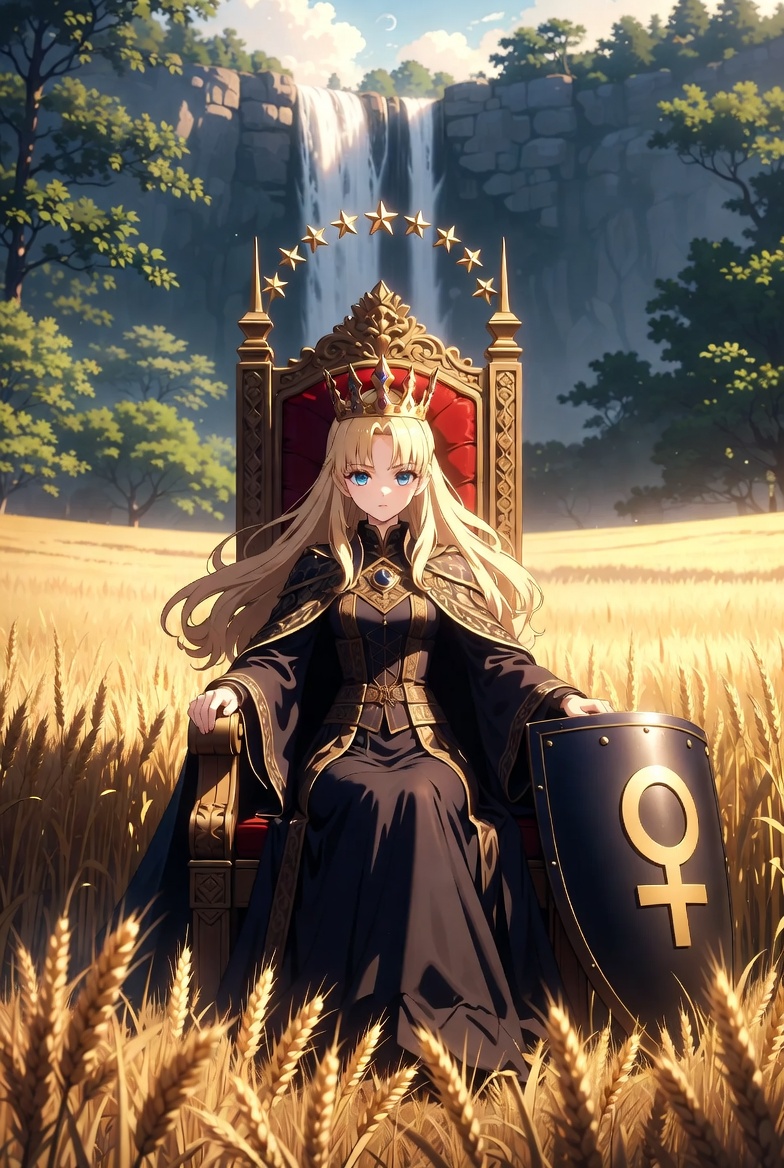
The Major Arcana is that set, illustrated. The Empress is the nurturing, growing force, and also what it becomes when overgrown: smothering, indulgence, growth without pruning. The Emperor is structure and authority, and also rigidity. The Tower is the collapse of something built on a flaw. These aren’t secret symbols needing initiation. They’re the cast and plot points of every story you’ve ever cared about. That’s exactly why a random one still finds something in your week to grab onto. You’re not being fooled by vagueness. You’re being handed a well-worn story shape and asked, honestly: where is this one currently playing out in your life? For almost any card and almost any week, there’s a real answer. Your life, like everyone’s, is made of these plots.
The Part That Should Impress the Skeptic
Put the four mechanisms together and look at what this “just a deck of cards” actually is. A pocket-sized tool that opens image-based access to things you know but haven’t said. That physically gets internal tangles out of your head. That aims your own pattern-spotting at your own situation. And that does it all through a library of story-shapes refined over six centuries of real, documented history, wrapped in a ritual that makes you actually sit down and do it. That last part is the step every journaling app and therapy workbook fails at.
A psychologist designing a daily self-reflection tool from scratch, using only what the research supports, would end up building something embarrassingly close to a tarot practice. Slower to shuffle, probably, and with worse art.
This is also why the practice deserves respect on its own terms. The readers who built these traditions were not doing science. But they were doing something. They spent centuries testing which images provoke real reflection, which rituals make people return, which framings open a person up rather than shutting them down. Calling that nonsense, because the old language was spirits rather than psyche, is like dismissing centuries of herbal medicine without checking which plants turned out to contain the active compounds. The vocabulary was pre-scientific. The tool works.
And if you personally experience the cards as something more than psychology, none of the above takes that from you. Mechanism and meaning coexist everywhere else in life. They can coexist on a card table. (If this stance is your home ground, it now has a complete manual: the vocabulary translated, the history honestly told, and the practice start to finish.)
How to Use This (Especially If You’re the Skeptic)
If someone who reads cards sent you this article, here’s the honest takeaway. The practice your person has is, at minimum, a structured reflection habit with legitimate machinery under it. The reasonable worries are the same as for any reflective tool. It shouldn’t replace professional help for real distress. And it shouldn’t become a crutch for decisions. (Our house rule, said often on this blog: the cards get an opinion, not a vote.) Outside those cases, you’re watching someone run a reflective practice most people would benefit from copying. Relax. Or better, ask them to pull a card for you.
And if you’re curious enough to test the mechanism yourself, do it properly:
- Bring a real question, something actually unresolved.
- Pull one card. Before looking anything up, notice which detail snags you, and which situation your mind runs to first.
- Write one honest paragraph about why that connection came up.
- Then check whether you know something now that you hadn’t said out loud before.
That last step is the experiment. Run it five times and look at your notes. However you end up explaining it, you’ll be surprised what you knew, and what you now want to do about it.
The Bottom Line
Does tarot work? Wrong question. Or rather, two questions wearing one coat. Will a deck hand you a script of what’s coming? That was never the real offer. Can a random, story-rich image reliably get you to surface what you already know, and give the future a shape you can steer toward? Yes. And the mechanisms are named, studied and a century deep: active imagination, getting problems outside your head, directed pattern-matching, archetypal story-shapes, ritual.
The believer and the skeptic at that kitchen table have more common ground than either suspects. The cards aren’t a trick, and the people who love them aren’t fools. They’ve been running a sophisticated reflection practice under a different vocabulary, often with real skill. The deck is a mirror old enough to know exactly where to stand. And a compass that’s happy to be held by anyone.
The cards don’t show you a fixed future. They show you the one you’re already building, while there’s still time to build it on purpose.
FAQ
Does tarot actually work? Yes, for what it’s genuinely built for: reflection, and thinking clearly about where you’re heading. The practice reliably surfaces thoughts, feelings and patterns you already carry but haven’t examined. The routes are ones psychology has studied for a century, including projection, externalizing and image-based association. What it won’t do is hand you a script of coming events. It never needed to.
Can tarot tell the future? Not as a fixed script, and the best readers don’t treat it that way. What a reading does beautifully with the future is direction work. It shows you where your current patterns lead if nothing changes. It anchors a clear picture of where you actually want to be. And it lets you rehearse the paths in front of you before you commit to one. Less crystal ball, more compass. A compass is more useful anyway.
How does tarot work psychologically? Four main routes. Vague images invite projection, which reveals what’s on your mind. Laying a card down gets an internal tangle out of your head, so you can examine it from outside. Your pattern-matching connects the card to whatever is genuinely most pressing. And the archetypal imagery gives almost any situation a story-shape to land in. The ritual around it makes you sit still long enough for all four to happen.
Is tarot scientifically proven? Tarot itself hasn’t been through clinical trials. The parts underneath a reflective practice have real supporting research: getting problems outside your head, naming feelings, structured self-reflection, and imagery-based techniques. The honest position: unproven as a whole, built from studied parts, and harmless-to-helpful when used for reflection rather than fortune-telling.
Why does tarot feel so accurate? Because the accuracy is yours. A card’s meaning is broad by design, and your mind matches it to the most relevant thing in your life. That’s exactly what makes the reading feel uncanny. The card was random. Your choice of what it “obviously” refers to is a readout of what’s really occupying you.
Was Carl Jung interested in tarot? Yes. Jung saw tarot’s images as expressions of archetypes, the recurring symbolic figures he believed structure the human mind. His technique of active imagination, holding a deliberate conversation with an image, describes much of what a reflective tarot reading actually does. He treated such tools as ways to reach unconscious material, not as fortune-telling.
Can skeptics use tarot? Arguably best of all, since they arrive without any pressure to believe. All the practice asks is that you react honestly to an image, and take your own reaction seriously as information about yourself. Belief in magic is optional. Curiosity about your own mind is the only requirement.
Want to run the experiment? Pull a free online tarot reading →, no sign-up, no belief required. One card, one honest paragraph, and see what you already knew.
forum Comments
Loading comments…