
Every reader knows the moment. The cards are on the table, the reading has landed, and the person across from you (or the person inside you, at 11pm, with a phone) asks the only question that was ever really on their mind: yes, but when?
It’s the most human question at the table, and it deserves a straighter answer than tarot usually gives it. So here’s ours. Tarot has timing systems: several of them, old and detailed and taught with total confidence. We’ll lay them all out. They also contradict each other, which tells you something important about what they are. And underneath the “when” there is nearly always a better question, one the deck can actually answer, and one that usually dissolves the waiting faster than a date ever could.
The Timing Systems, Honestly Listed
If you’ve searched “tarot timing” you’ve met these. Here they are without the sales pitch.
Suit speed. Each suit is assigned a tempo: Wands fast (days), Swords quick (weeks), Cups slower (months), Pentacles slowest (years). Simple, memorable, and the first place the systems fall out with each other: open a different book and Swords is the fastest suit (air moves quickest), with Wands at weeks. Both are taught as settled fact.
Suit seasons. Wands is summer, Cups autumn, Swords winter, Pentacles spring. Or Wands is spring and Pentacles winter, depending on whose elemental logic you follow. Again, both versions appear in print with equal confidence.
Number counting. The card’s number is the unit: a Three of Cups means three of something, and the suit supplies the something, so three months (or three weeks, or three days, per the speed system you picked above). Neat to the point of suspicion.
Court cards as seasons and signs. The sixteen courts mapped onto the zodiac and thereby the calendar, so a Queen of Cups points at the weeks of her sign. Which sign that is differs between traditions, as the courts themselves do.
The decans. The most precise-looking system, and our own deck’s inheritance: in the Golden Dawn scheme, every numbered card from Two to Ten is assigned one of the thirty-six decans, ten-day slices of the zodiac year. Pull the Five of Swords and you have a date range (every sign’s three decan cards are listed in our zodiac cards post). This is genuinely the system our tarot calendar runs on, built by Victorians with a gift for filing, and it’s lovely. It is also, like every system above, an assignment someone made, not a measurement someone took.
The timing card. Pull one extra card after the reading and interpret it purely for time, using any of the systems above. Which rather depends on having settled which system is right.
Speed cards. Certain cards carry tempo in their imagery regardless of system: the Eight of Wands means quickly, the Hanged Man means not yet, the Seven of Pentacles means patience, the Wheel means when the cycle turns. We’ll come back to these, because they’re the one part of traditional timing we’d actually stand behind, read correctly.
Why They Disagree (And What That Tells You)
Five systems, one card, five different answers. The Three of Cups is three days, three weeks, three months, early autumn, or the second decan of Cancer, depending on whose table you’re sitting at, and every one of those readers is sincere.
There’s no scandal in this, but there is a lesson, and it’s the same one the yes-or-no card lists taught: when sources disagree this freely, you’re looking at conventions, not discoveries. Nobody derived suit speeds from tracking outcomes. They reasoned from the elements (“fire is fast”) and wrote it down, and the next writer reasoned slightly differently and wrote that down, and two centuries later the contradictions sit side by side on the same search results page.
Which points at the honest conclusion. Astrology is a timing system; that’s what its clockwork is for. Tarot isn’t one, and never was. It’s a mirror, and when you ask a mirror what time it is, it shows you someone checking their watch. That’s not a failure of the deck. The timing systems are a costume the mirror was dressed in, and once you stop expecting dates from them, they become useful for what they actually describe: tempo. Texture. Whether a situation is moving fast, moving slow, paused, or turning. Which brings us to the two cards that do that best.
The Eight of Wands and the Hanged Man: Soon, and Not Yet
The Eight of Wands is the card everyone wants for a timing question, and its tagline says why: everything moves at once. Eight wands in flight across open sky, no figure, no ground, pure momentum. Traditional readers say “soon”, and they’re half right. Read honestly, the card describes a condition, not a date: things are in motion, the waiting phase is over, events are arriving faster than you can sort them. That’s genuinely useful information. It just isn’t a Tuesday.
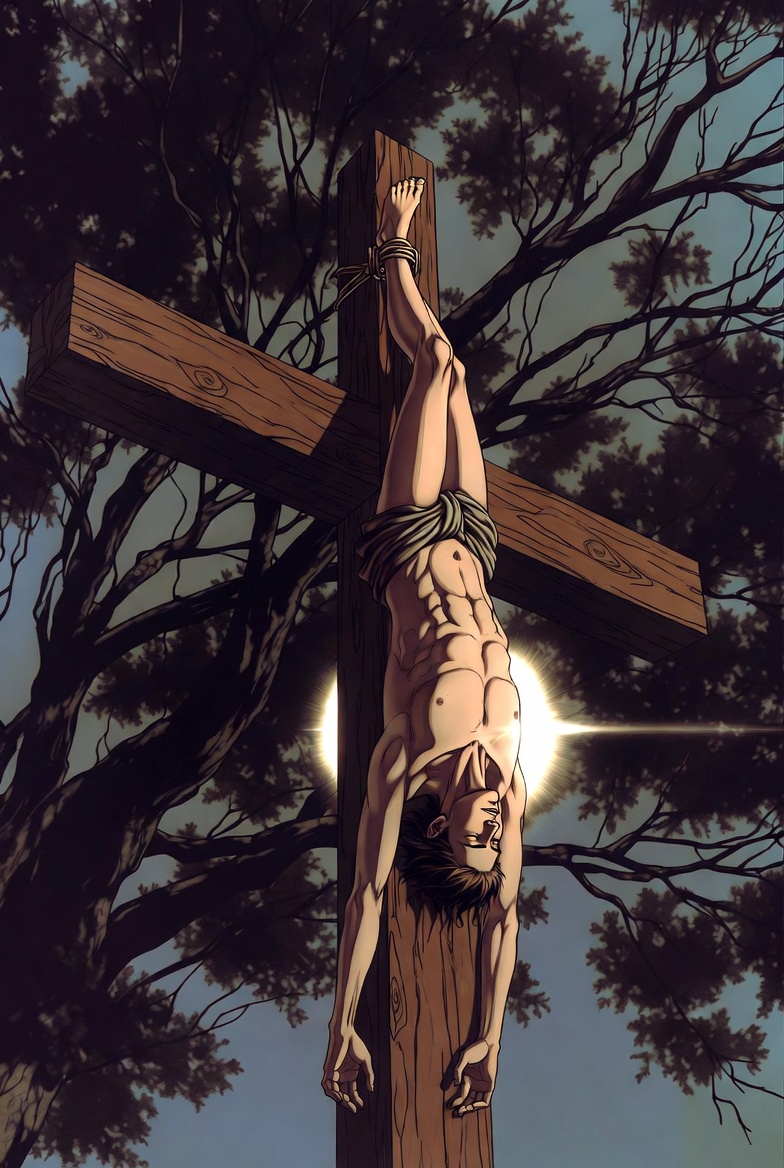
The Hanged Man is the card nobody wants for a timing question, and it’s the most honest timing card in the deck. A figure hangs upside down by one foot, perfectly at peace, under the tagline surrender is not defeat. The traditional timing reading is “not yet”, and people hear that as a no. It isn’t. It’s a complete answer: the thing is not ready, you are in a suspension that has a purpose, and the view from here is different from the view you’ll have when it resolves. “Not yet” paired with “and here’s what the pause is for” beats any date, because dates expire and the pause’s lesson doesn’t.
Notice what both cards have in common: neither tells you when. One says “now, fast” and the other says “not now, and here’s why”, and both are reports on the present, which is the only tense tarot was ever fluent in.
What “When” Is Usually Hiding

Here’s the part we’d want a friend to tell us. “When will it happen” is almost never a request for scheduling information. If it were, you’d be fine waiting; calendars are restful. It’s a request for the waiting to stop hurting, and a date is the only form of relief the question can imagine.
But the gap isn’t actually closed by a date. It’s closed by knowing one of four things, and the deck can help with all of them:
What has to be true first. Nothing arrives in a vacuum. The job offer needs the application sent; the relationship needs the conversation had; the move needs the savings. Ask the cards for the precondition and “when” becomes “as soon as that”, which is a timeline you control.
What’s in the way. Sometimes the precondition is met and something’s blocking. Sometimes, if we’re honest, the something is you: the decision not being made is still a decision, and the clock you’re asking about is one you’re holding.
What you’d do differently if it were next week versus next year. Run the thought experiment before you pull a card. If the answer is “nothing”, the date doesn’t matter and the anxiety is free-floating. If the answer is “everything”, you’ve just found out what you’re actually waiting on, and it usually isn’t the event.
Whether you’re waiting or avoiding. The Hanged Man’s suspension is chosen and purposeful. The Two of Swords’ stall is neither. They feel identical from inside. This is the question most “when” questions are really asking, and the only one with an uncomfortable answer.
The Seven of Pentacles models the posture. The figure isn’t consulting a calendar; they’re looking at the vine. The harvest is not yet, but it is coming, and the way you know is by assessing the actual plant, not by counting days. Conditions tell you more than dates, and conditions are readable.
The Spread: Instead of When
Three cards, for any question that arrives as “when”. Pull them the next time the calendar itch strikes, and notice that none of the positions is a date.
- What has to be true first. The precondition. Read the card as a description of a state of affairs, and ask whether that state exists yet.
- Who is holding the clock. The obstacle, and honestly whether it’s circumstances or you. If the card lands on your own side of the table, the waiting may be avoidance in a patient costume.
- What to do while the vine grows. The action available now, which is usually the one that brings the thing closer anyway. Waiting well is a skill, and it’s rarely passive.
Journal line: I keep asking when ___ will happen. What has to be true first is ___. While I wait, I could ___. Write it in your journal ›
Cycles, Not Calendars
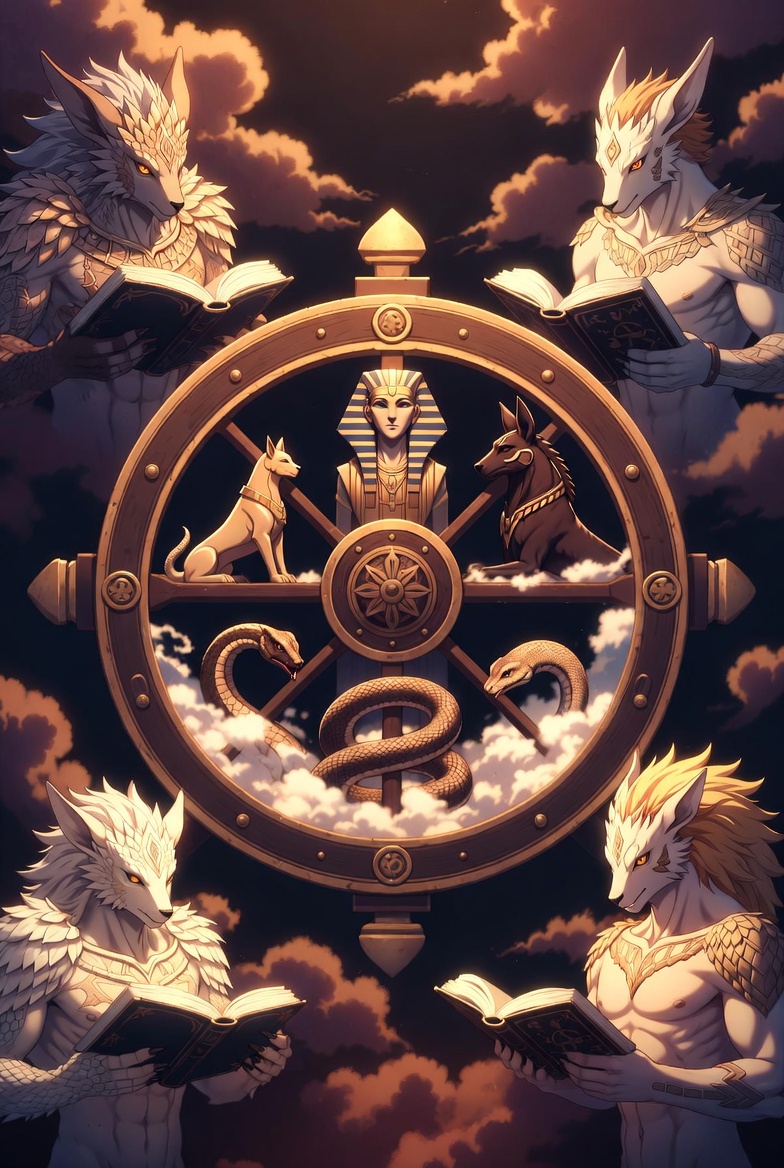
If you want the deck’s own philosophy of time, it’s the Wheel of Fortune: the only constant is the turning. Things arrive when the cycle brings them round, and cycles don’t consult your schedule, but they do have conditions. Seasons turn when the light changes. Situations turn when something in them completes. “When” is a question about where on the wheel you’re standing, and that, unlike a date, is something a card can show you.
And if you genuinely want a date-shaped anchor for reflection, the sky has been offering one for free since before tarot existed. Our full moon ritual and the decan-by-decan tarot calendar both use celestial timing, honestly: not as a forecast of when your thing arrives, but as a recurring appointment to check the vine. The calendar gives you the rhythm. The checking is still yours.
What This Won’t Do
The honest paragraph, and on this topic it matters. Some “when” questions have real answers that live with real professionals: when test results come back, when a legal matter resolves, when a payment clears. Those timelines belong to doctors, solicitors and contracts, and a card that appears to answer them is a card being misread. Tarot can help you carry the wait; it cannot shorten it or see its end.
The same goes for waiting on another person, the “when will they come back” question, and its cosmic cousin, “when will I meet my soulmate”. The cards don’t read other people’s minds, and a reading that promises their return date is selling the one thing it can’t stock. What it can do is the spread above, aimed at you: what has to be true, who’s holding the clock, what to do meanwhile.
And if timing anxiety is the weather of your whole life, every plan hostage to a date that won’t come, that’s worth a conversation with someone qualified rather than a better spread. Waiting that hurts this much is usually about more than the thing being waited for.
The Bottom Line
Tarot’s timing systems are real, detailed, and contradictory, because they’re conventions dressed as measurements, and a mirror was never a clock. What the deck does honestly is tempo: the Eight of Wands’ everything-in-motion, the Hanged Man’s purposeful not-yet, the Seven of Pentacles’ look-at-the-vine. And under almost every “when” is a better question, usually “what has to be true first” or “am I waiting or avoiding”, which the cards can answer tonight.
The deck can’t tell you the date. It can tell you where you’re standing on the wheel, and that’s the part of the answer you can actually use.
FAQ
Can tarot tell you when something will happen? Not as a date. Tarot’s timing systems (suit speeds, seasons, number counting, decans) exist but contradict each other, because they’re conventions rather than observed rules. What a reading can honestly show is tempo and conditions: whether a situation is in motion, paused, or turning, and what has to be true before it resolves.
Which tarot suit is the fastest? Depends entirely on the book. Most say Wands (fire, days), a significant minority say Swords (air, quickest-moving). The disagreement is the real answer: suit speed is a useful way to read the tempo of a situation, not a reliable way to count days.
Which tarot cards mean “soon”? The Eight of Wands is the classic, with the Knight of Wands, the Chariot and most Aces as supporting cast. Read them as “things are in motion now” rather than as a calendar promise. For “not yet”, the Hanged Man; for “be patient, it’s growing”, the Seven of Pentacles; for “when the cycle turns”, the Wheel of Fortune.
How should I ask tarot about timing? Replace “when will X happen” with “what has to be true before X can happen”, “what’s in the way”, or “what can I do while I wait”. Those questions get answers a card can actually hold, and they usually resolve the anxiety that made you ask “when” in the first place.
What does the Hanged Man mean in a timing question? Not yet, and on purpose. The card describes a deliberate suspension with something to learn inside it, not a refusal. Read alongside the question “what is this pause for?”, it’s often the most useful timing answer in the deck.
Asking the deck “when” tonight? Ask it what has to be true first instead: pull a free online tarot reading →, then write the line.
forum Comments
Loading comments…