
For one night a year, tarot sits in the shop window. Every October the decks come out as set dressing: the fortune teller costume, the party prop, the spooky aesthetic between the pumpkins and the plastic bats. We don’t mind; it’s the practice’s one guaranteed annual invitation. But underneath the costume holiday sits a much older one, and the older one deserves better than being a Halloween accessory, because it happens to be about the exact things this deck does best: endings, memory, and walking into the dark months on purpose.
So here is the Samhain post, written the way this site writes everything: the honest history first, why the deck genuinely fits this season, a five-card ritual you can run on the night itself, and a straight answer on the veil, the ancestors, and what cards can and cannot do with either.
What Samhain Actually Is
Samhain (say it SAH-win) is the old Gaelic festival marking summer’s end, and its name is usually translated as exactly that. Held around the 31st of October into the 1st of November, it closed the harvest and opened the winter: cattle came down from summer pasture, fires were lit on the hills, and the community squared up to the season when the land stops giving. The old sources also mark it as a threshold night, when the boundary between this world and the otherworld was said to be thin, and offerings were set out accordingly.
Then the layers arrived, the way they always do. The church placed All Hallows on the 1st of November, making the old festival’s night All Hallows’ Eve; centuries of folk custom, emigration and confectionery turned that into Halloween; and modern pagan traditions in the twentieth century took Samhain up again as a major station on their wheel of the year, one stop on from the autumn equinox and its balance audit. As with tarot’s own history, the honest version is a braid rather than an unbroken ancient lineage, and the honest version is better: a night humans have used for two thousand years, in changing costumes, to look at endings and remember their dead. That’s not less magical than the romantic version. It’s more durable.
One more detail worth keeping: in the old reckoning, Samhain wasn’t only an ending. The Celtic year is often described as beginning at winter’s door, which makes this the old calendar’s New Year’s Eve, the year’s most underrated fresh-start threshold hiding inside a fancy-dress party.
Why the Deck Fits This Season
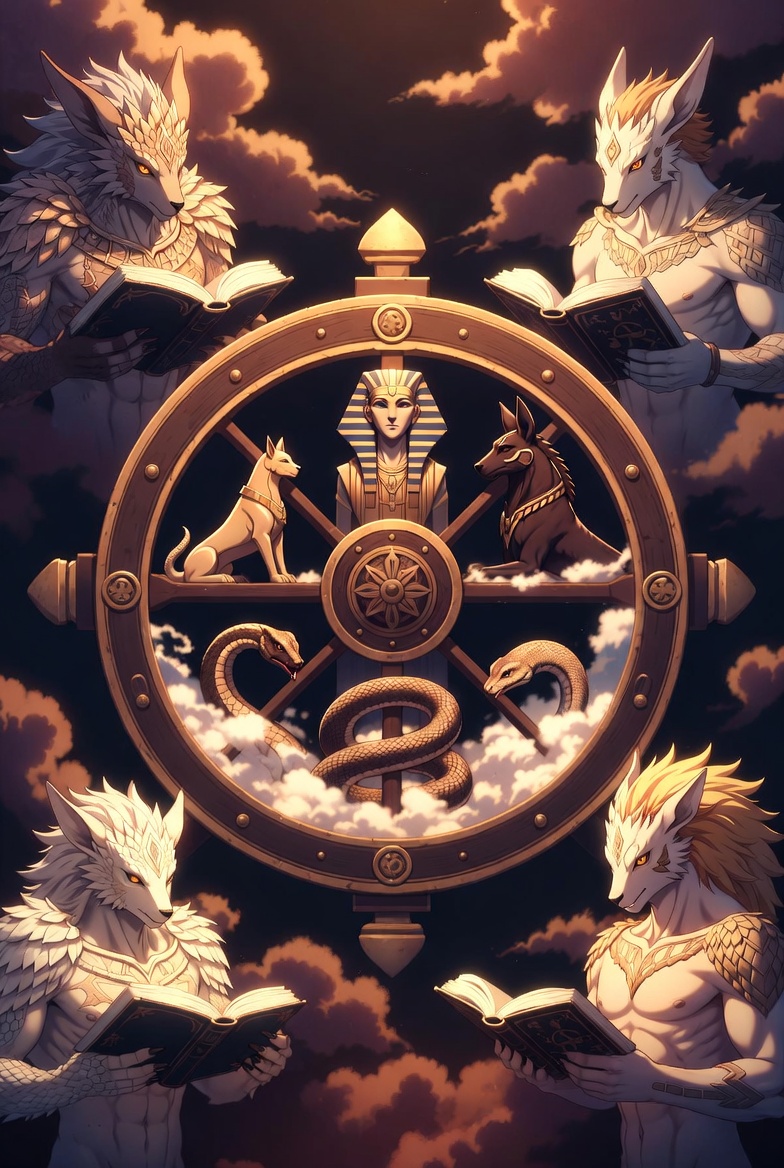
Halloween plays with fear of death; tarot, at its best, does the opposite, and that’s why the pairing is more than aesthetic. The Death card fronts this post deliberately: our deck’s rider crosses a field of poppies and the figures who meet him aren’t running, one is offering a rose, because the card was always about endings honestly witnessed rather than feared. Samhain is that card scaled up to a whole season. The year is visibly dying: the light shortens, the garden stops, the Wheel completes another turn. A reflective practice that spends all year teaching you to look at what’s ending without flinching gets, once a year, a night when the entire culture briefly agrees to look too.
That’s the real reason a tarot ritual belongs on this night, and it has nothing to do with the cards gaining power after dark. They don’t. The night gains permission.
The Veil, Honestly
Now the part that needs saying plainly, because this is the season of big claims. “The veil is thin” is Samhain’s most famous sentence, and here is our honest reading of it: it is a beautiful piece of seasonal folklore whose real function is permission. For one night, remembering your dead is scheduled, communal and normal. Grief gets a candle and a place at the table instead of an apology.
What the folklore is not, at our table, is a mechanism. Cards cannot contact anyone, on this night or any other; a deck shuffled at midnight on the 31st of October has exactly the powers it had in July. Any reading sold to you as messages from the departed is a seance in card costume, and the grief it trades on deserves gentler handling than that. What cards genuinely can do with the dead is what they do with everything else: work with what’s in you. And what’s in you, about the people you’ve lost, is enormous: memories, inheritances, sentences you still hear in their voice, habits of theirs living on in your hands. That material is real, it’s yours, and the remembrance position in the spread below is built for it: not “what does she say from beyond”, but “what of hers is alive in me tonight”. The first question the deck can’t answer. The second one it was made for.
If this season’s remembering lands heavy rather than sweet, that’s grief doing its honest work, and the real doors are always the same: people who love you, and Cruse (0808 808 1677) when it needs more room than a card can hold.
The Ritual: Summer’s End
Run it on the night of the 31st, or any quiet evening in that week; like every seasonal appointment we keep, the date is the anchor, not the mechanism. One candle if you like one (atmosphere is allowed, never required), phone elsewhere, shuffle slowly, and lay five cards.
- What died this year. Name it honestly and without flinching: the job, the plan, the friendship, the version of you. The year is ending; something ended with it, and this card holds the space where you say so, with thanks if you can manage them.
- The harvest it left. Everything that ends leaves something: a skill, a scar with information in it, freed-up room, a lesson you’d rather not have needed. This is Samhain’s actual old business, the last harvest, brought in before winter.
- The remembrance. The Six of Cups position: someone or something you’re remembering tonight. A person you’ve lost, a person you’ve drifted from, a former self. Read the card as what of theirs is alive in me, and let this position take as long as it takes.
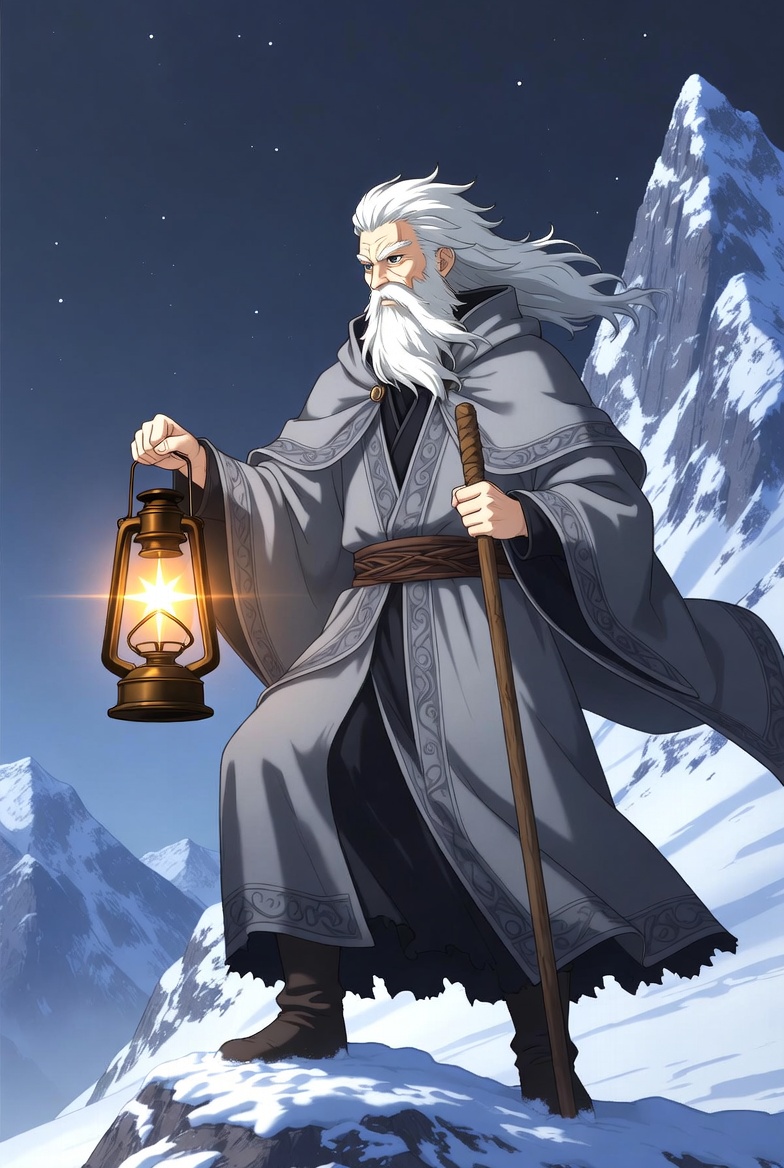
- What the dark months ask. Winter is walking up the path, and it wants something from you: rest, a project, a discipline, a kindness to yourself. The Hermit patrols this position: lantern lit, one step at a time, into the season made for inner work.
- The seed under the snow. The old year dies tonight, and in the Celtic reckoning the new one starts here, in the dark, the way seeds do. This card names what’s already alive and waiting for spring: the hope position, planted where hope actually lives.
Journal line: What died this year: ___. What it left me: ___. Tonight I’m remembering ___, and the dark months ask ___ of me. Write it in your journal ›
Dated and kept, this becomes the autumn sibling of the birthday draw: one page a year, and in three years the pages start talking to each other.
Halloween Itself: The Party Corner
If you read at all, Halloween is the night someone hands you a deck at a party, and we’re for it: it’s the practice’s most sociable annual moment and honest fun. The whole craft of the party reading is already written up, and the season only underlines its rules: keep it to one or three cards, keep the register light, and hold the never-say list twice as firmly, because a spooky night makes scary pronouncements land harder and travel further. No health, no death dates, no absent-person verdicts, tonight of all nights. The classiest sentence a Halloween reader owns is still “come find me sober and I’ll do it properly”, and on this night it books more real readings than any performance could.
The Bottom Line
Samhain is the year’s oldest threshold wearing a costume shop’s idea of it: summer’s end, the last harvest, the remembered dead, and the old calendar’s new year starting in the dark. The deck fits the night because they share a specialty, endings looked at honestly, and the five cards of Summer’s End walk the whole threshold: what died, what it left, who you remember, what winter asks, what waits for spring. No thinned veil required, no messages claimed. Permission, a candle, and the year’s most honest conversation with yourself.
Halloween borrows the deck for one night a year. Samhain is the night the deck was actually built for.
FAQ
What is a good Samhain tarot spread? Five cards: what died this year, the harvest it left, someone or something you’re remembering, what the dark months ask of you, and the seed under the snow. It walks Samhain’s real themes, ending, harvest, remembrance and the turn into winter, in about fifteen minutes, and keeps beautifully as an annual journal page.
Is Halloween a good night for tarot readings? Culturally, the best of the year: it’s the one night everyone’s willing to sit down at the table. Mechanically, the cards work exactly as they do in July; no date adds power to a deck. Use the night’s permission and the season’s honest themes, and skip any claim that the darkness itself is doing something.
Can tarot contact the dead at Samhain? No, and we’d say so even on the night the veil is famously thin. A reading runs on what’s in the person at the table, which is why remembrance works so well: your memories, inheritances and love for the person are all present and readable. Messages from beyond aren’t on offer, from us or any honest reader, at any season.
What’s the difference between Samhain and Halloween? Samhain is the old Gaelic festival of summer’s end, held around 31 October: last harvest, hilltop fires, the dead honoured, the winter opened. Halloween is what centuries of church calendar, folk custom and sweets turned that night into. Same date, different depths; this post works with the older layer.
Which tarot cards are associated with Samhain? By theme rather than rule: Death for endings honestly met, the Wheel of Fortune for the year’s turn, the Six of Cups for remembrance, the Hermit for the walk into the dark months. Pulling any of them in a Samhain reading is the season showing up in the material, and none of them is an omen.
The nights are already drawing in. Pull a free online tarot reading → and ask the year’s first honest winter question: what died, and what did it leave you? Summer’s End works just as well in September as on the night itself.
forum Comments
Loading comments…