The Lunar Cycle in Tarot: A Complete Guide
The moon as the practice’s best clock: the four beats of the cycle, the Seed and Soil and Release and Reveal rituals in full, eclipses without the doom, and how the monthly loop fits a real life.
The Moon Is a Clock, Not a Battery
Every reflective practice needs a schedule, because the practice you do on schedule beats the one you do when you remember. The moon is the best schedule on offer. Visible from anywhere. Free forever. Running one clean monthly loop from dark to full and back, which no app can cancel. That is the whole claim of this guide, and it is worth stating before any of the rituals: the moon is the calendar, and you are the mechanism. Nothing lunar reaches into a deck of cards. Moonlight on a windowsill charges cardboard precisely as much as it charges a saucer. Every working part of a moon ritual works on the person doing it: the appointment kept, the threshold marked, the same two honest questions asked at the same two points of every month.
Held that way, honestly, the cycle is a gift. Two conversations on this site grew into it, the new moon ritual and the full moon ritual, and this page is the manual that holds both. The four beats of the cycle and what each is for. Both rituals with their complete spreads, and the loop that connects them. Eclipses without the doom soundtrack. And how the whole rhythm nests inside a practice that also has days, weeks and years in it.
Part One: The Cycle in Four Beats
A lunar month runs about twenty-nine and a half days, and for reflection purposes it has four beats worth knowing. Each one below is an anchor: what the phase looks like, what it is for at the table, and the practice that fits it. None of them requires clear skies or precision. The evening before or after any marker works just as well, because the appointment is the mechanism.
The new moon (the dark)#
No moon visible: the month’s blank page. This is planting weather: the beat for choosing one intention and putting it in real soil, which is exactly what the Seed and Soil spread below does. The dark asks nothing be shown or audited yet; its whole discipline is choosing the seed and agreeing to water it.
The waxing weeks#
The light growing, night by night: the tending fortnight. No ritual needed; the work is the watering named at the new moon, plus the discipline of not digging the seed up to check on it. If you keep a weekly check-in, these are the weeks it quietly serves the month’s intention.
The full moon#
The month at maximum visibility: audit weather. The beat for looking at what actually came to fullness, releasing what you are genuinely done carrying, and reading the seed you planted a fortnight ago in full light. The Release and Reveal spread below is this beat’s ritual, and it is the emotional centre of the whole cycle.
The waning weeks#
The light thinning: the putting-down fortnight. What the full moon released actually gets set down here, gradually, the way real things are set down. A quieter rhythm suits it: shorter entries, the one carried card from the full moon spread, and permission to do less. The cycle ends by composting, and so should the month.
Part Two: The Dark Half’s Ritual, Seed and Soil
Four cards at the new moon, and the anti-manifestation rules that keep it honest. One seed only, because a month can genuinely tend one intention and merely applaud several. The first watering happens within twenty-four hours, because an intention without a first act is a wish with better handwriting. And nothing gets dug up before the full moon. The full walkthrough, with its patron Aces, lives in the new moon post; the positions:
The soil
The honest state of the ground this month starts from: your actual energy, your actual week, the season you are really in. Seeds planted in imaginary soil grow imaginary crops.
The seed
The one intention worth planting. One. If six candidates are shouting, this card chooses the audition order, and the month chooses the winner.
The water
What the seed needs from you, practically, this fortnight: the practice, the conversation, the hour, the boundary. An instruction, not a mood.
What not to dig up
The new moon’s own warning: the thing to leave alone until the full moon looks at it properly. Seeds die from being checked on.
This month I’m planting blank. It needs blank from me. I won’t dig it up before the full moon.
Part Three: The Light Half’s Ritual, Release and Reveal
Five cards laid in an arc under the full moon, reading the month at its brightest. The tone matters more than the choreography. Read generously, because fullness includes finished difficulties. Release only what you are actually done carrying, rather than what you feel you should be. The full ritual, timing notes included, lives in the full moon post; the positions:
What came to fullness
Something this month completed, peaked, or finally became what it was going to be.
What the light shows now
Something you could not see a month ago that is visible tonight. The reveal card; it tends to be the one that lands.
What I’m ready to release
Not what you should release. What you are actually done carrying: a worry, a grudge, a plan that expired.
What releasing it makes room for
The space behind the thing is the point of letting go; this card names what moves into it.
What I carry into the waning weeks
One thing, deliberately chosen, for the quieter half of the cycle.
This month came to fullness in blank. I’m putting down blank. That makes room for blank.
Part Four: The Loop, and Where It Fits
The two rituals are halves of one machine, and the connection is the point. The seed planted at the dark is the first thing the full moon audits. Run both for a few months and the loop starts compounding. Intentions stop being January-sized, because they get reviewed in fourteen days. Releases stop being vague, because the reveal card keeps receipts. Twelve pairs of dated journal lines is a year in review that writes itself.
The loop also has a place in the larger rhythm this site teaches. The daily card catches weather, the weekly check-in catches drift, and the monthly rung catches seasons, which is exactly the wavelength the moon broadcasts on. One honest scheduling note: the journaling guide’s month-end review and the full moon ritual are two versions of the same monthly rung, calendar-flavoured and sky-flavoured. Keep whichever one you love. Running both most months is double-booking the same appointment, and the practice that survives is the one that fits the life.

Part Five: Eclipses, Honestly
A few times a year the cycle wears a shadow: a lunar eclipse at a full moon, a solar eclipse at a new one. The internet reliably treats these as emergencies, portals or omens. Astronomy treats them as geometry arriving exactly on schedule, and this site sides with astronomy. Our whole approach here runs on phases rather than events. The rhythm is the practice, and an eclipse is the same monthly appointment wearing interesting light.
Which does not mean ignoring one. The shadow makes a genuinely good extra question, and the house move is one card added to whichever ritual the eclipse lands on: the shadow’s lesson. Where am I standing in my own light, and what does the dimming show that full brightness could not? Ask it, note it, and let the eclipse be what it is: a rare, beautiful, fully scheduled shadow, and no verdict on anybody’s month.
Part Six: The Moon Card Is Not the Moon
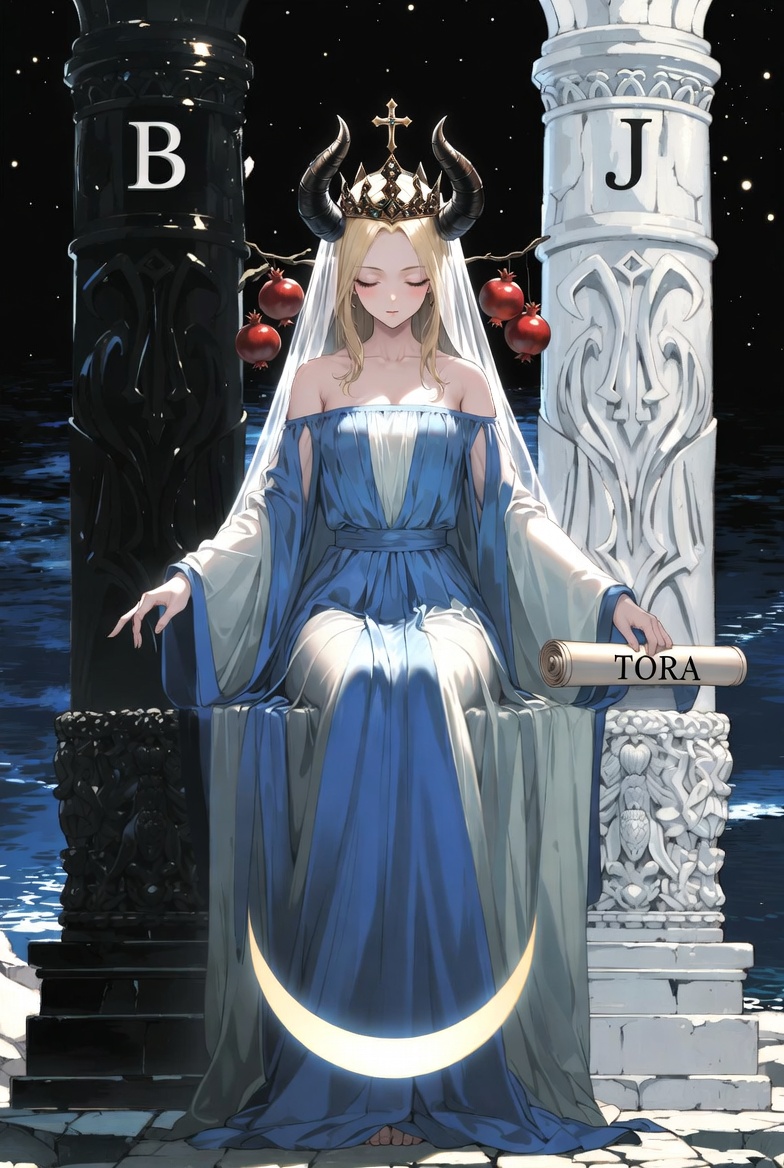
One name-clash to untangle, because the deck complicates its own vocabulary here. The Moon, card eighteen, is a picture about uncertainty: borrowed light, half-seen shapes, the gap-filling your mind does in the dark. Pulling it during a full moon week means what it always means, and nothing about the sky. The card that actually carries the moon as its planet in our deck is the High Priestess, the keeper of what is known without being said, which is why she fronts this guide. And scattered through the Minors, the decan system gives several pip cards a lunar ruler: the Moon in Cancer, in Libra, in Aquarius and friends, all mapped in the correspondences reference.
That decan system is also the honest answer to how this cycle relates to our tarot calendar. The calendar runs on the sun’s year, ten days at a time, while the moon runs its own monthly loop across it. Two rhythms, both real, both usable. The decans give the season its texture, the moon gives the month its shape, and neither needs the other’s permission.
The dark half’s full ritual: the anti-manifestation rules, the patron Aces, and planting one honest seed:
The new moon ritualarrow_forwardThe light half’s full ritual: the arc, the reveal card, and release without the pressure:
The full moon ritualarrow_forwardCard eighteen’s own story, borrowed light and all: the deep dive on the deck’s Moon:
The Moon card, in fullarrow_forwardThe sun’s calendar to this guide’s moon: one presiding card per ten-day decan, all year:
The tarot calendararrow_forwardBoth spreads live in the complete guide alongside every other spread this site teaches:
The complete guide to tarot spreadsarrow_forwardDark, waxing, full, waning: plant once, tend quietly, audit honestly, put things down. The moon has kept this appointment for longer than anyone has been keeping journals, and it will keep it whether or not you show up, which is precisely what makes it the best standing date a reflective practice can have. Show up anyway. The mechanism, as ever, is you.